Returning home after a holiday can lead to tired kids and long lines at the passport office, heavy suitcases and all. The new eGates at the UK’s airports are meant to streamline the arrival process for certain passengers, but there are some details to be aware of before your next flight.
UK contactless eGates rollout started on 6 October 2026 at East Midlands Airport, with British citizens with British passports being the initial group. Facial recognition is used to verify identity, and passengers do not have to put their passport down on the gate reader.
The bottom line for travellers is that contactless passport control could impact the way you travel to the UK, but it won’t stop you from having a valid passport or arranging the rest of your airport journey.
Here’s what the new system means, which airports are included and how to prepare for your next flight.
What are UK contactless eGates?
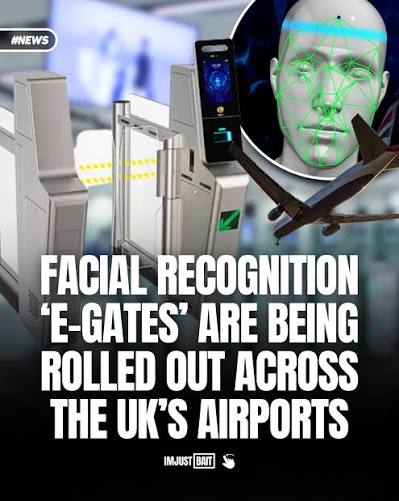
Conventional eGates require eligible passengers to lay down their biometric passports in a reader for facial recognition to be carried out. The new contactless system aims to use a live facial image for identity verification, compared with verified passport and travel and immigration data.
If the check is successful, the check is opened without the passenger having to scan the passport at the reader. The gates will still be monitored by Border Force officers, and there will be further checks made.
The Home Office says testing found the new system could be up to 25% faster than existing passport-reading eGates. This is a test result; it does not guarantee that all passengers will benefit from reduced queue times.
However, actual waiting time will remain subject to passenger numbers, staffing and operational factors.
What UK airports are adding contactless eGates?
The Government has announced that it will roll it out in phases at 13 airports:
- Birmingham
- Bristol
- Cardiff
- East Midlands
- Edinburgh
- Gatwick
- Glasgow
- Heathrow
- London City
- Luton
- Manchester
- Newcastle
- Stansted
The technology, which is expected to be used at airports across the UK by early 2027, was first introduced at East Midlands Airport. But not all gates at all listed airports are currently contactless.
If you are flying into the UK, check the latest official contactless eGate guidance before travelling rather than assuming the new system will be available when you arrive.
Who Can Use Contactless eGates in the UK?
The new contactless system is only for British citizens travelling to the UK with a British passport. The Government anticipates access to other nationalities eligible to use conventional eGates to be rolled out as the roll-out progresses.
The distinction is important if traveling with family/friends with different passports. Not all of them may be able to use the new contactless system even if some members of the group can.
Existing eGate eligibility requirements still apply. For conventional eGates, the travellers are required to have a biometric passport, be at least 8 years old and 120cm in height, and children between 8-17 years old must be accompanied by an adult. Requirements of nationality and immigration status also apply. Please refer to the official guidance for the rules that apply to your passport.
Are you still in need of your passport?
Yes. This is a condition that also must be met, you must be travelling with a valid passport when travelling.
Contactless eGates are a combination of technology to complete identity checks and do not replace passport or immigration requirements. Even if you plan to use the new system, keep your passport along on your trip.
You might find that your ID cannot be read automatically and have to place your passport on the reader or speak to someone from the Border Force. Immigration and security work are being carried out normally.
Ensure your passport is in order and if you need a visa or Electronic Travel Authorisation (ETA) for your trip, you’ve got them. These rules do not apply to contactless eGates.
Will Facial Recognition Make UK Airport Arrivals Faster?
Facial recognition at UK airports is used to minimise the number of steps passengers must take to identify themselves. But this doesn’t automatically mean queues will not form in the immigration hall if processing at an individual gate is faster.
Normally, crowd levels have little impact on waiting times, but at peak times (eg Christmas, Easter, summer holidays) they can. The process can also be slowed down due to technical issues and/or further testing required.
When travelling with children, ensure that they have their travel documentation and adhere to airport instructions. Where onward transport is arranged, leave a sensible time buffer after your landing time, as you cannot presume that your passport is to be checked immediately.
How Can You Prepare for a Smoother Airport Journey?
Whether you are travelling out of the UK or back home, a few preparations can help avoid unnecessary stress.
- Please consult the latest guidance: See if you can use a contactless eGate at your arrival airport and if they have one available to you.
- Have paperwork with you: Bring your passport and any other travel documents that you need.
- Follow instructions: Use designated gates, be ready for standard passport control if necessary.
- Leave room for queues: Do not assume a certain waiting time with the new technology.
- Arrange airport transport: Decide on how to get to the airport, park if driving, and the time needed before travelling.
This last one is especially critical for those who travel by car to the airport. Parking, access to terminals, and even check-in times all impact the smooth start of your trip as well as passport control.
Driving to the Airport? Make a plan before traveling for parking opportunities.
Smoother airport experiences begin on the day before you arrive. When driving to the airport for an early flight, booking ahead allows you enough time to research the services and what each booking entails.
This may vary depending on your airport and travel dates and can include Park & Ride, Meet & Greet, and other off-site parking services. Each has different
Compare the details, including transfer arrangements, convenience, conditions for booking, and more, rather than just the price.